
 "Beautiful prints, fast shipping !"
 "Amazing vintage poster selection"
 "A hidden gem for art lovers"
"Beautiful prints, fast shipping !"
"Amazing vintage poster selection"
"A hidden gem for art lovers"
"Beautiful prints, fast shipping !"
"Amazing vintage poster selection"
"A hidden gem for art lovers"
"Beautiful prints, fast shipping !"
"Amazing vintage poster selection"
"A hidden gem for art lovers"
"A hidden gem for art lovers"
"Beautiful prints, fast shipping !"
"Amazing vintage poster selection"
"A hidden gem for art lovers"
"Beautiful prints, fast shipping !"
"Amazing vintage poster selection"
"A hidden gem for art lovers"
"Beautiful prints, fast shipping !"
"Amazing vintage poster selection"
"A hidden gem for art lovers"















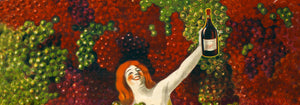




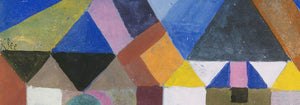





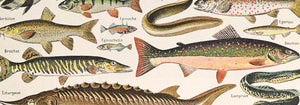


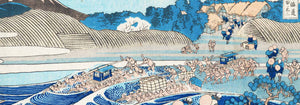





- Flower Market Lisbon Poster
- Papiers découpés 3 Poster
- Flower Market Barcelona Poster
- Coffea Arabica 3 Poster
- Lemons (Citrus Limon) Poster
- Loquats (Eriobotrya Japonica) Poster
- Papiers découpés 1 Poster
- Champion plum Poster
- Coffea Arabica 2 Poster
- Avocado (Persea) Poster
- Bananas Poster
- Flower Market - Amsterdam 2 Poster
- Jasmine Poster
- Achillea Clypeolata Poster
- Peonies and Canary Poster
- Flower Market - Tokyo Poster
- Green Landscape Poster
- Flower Market Columbia Road Poster
- Flower Market - Amsterdam Poster
- Coffea arabica Poster
- Flower Market Valencia Poster
- Prunus avium Poster
- Flower Market - Kyoto Poster
- El Maestro 1 Poster
- Flower Market - Berlin Poster
- Hibiscus Poster
- Blossoming Cherry on a Moonlit Night Poster
- Wide variety of fruits Poster
- Flower Market - Rome Poster
- Iriartea Ventricosa Poster
- Papiers découpés 2 Poster
- Roses Poster
- Fragaria Poster
- Flower Market - Seoul Poster
- Flower Market - Milano Poster
- Irises Poster
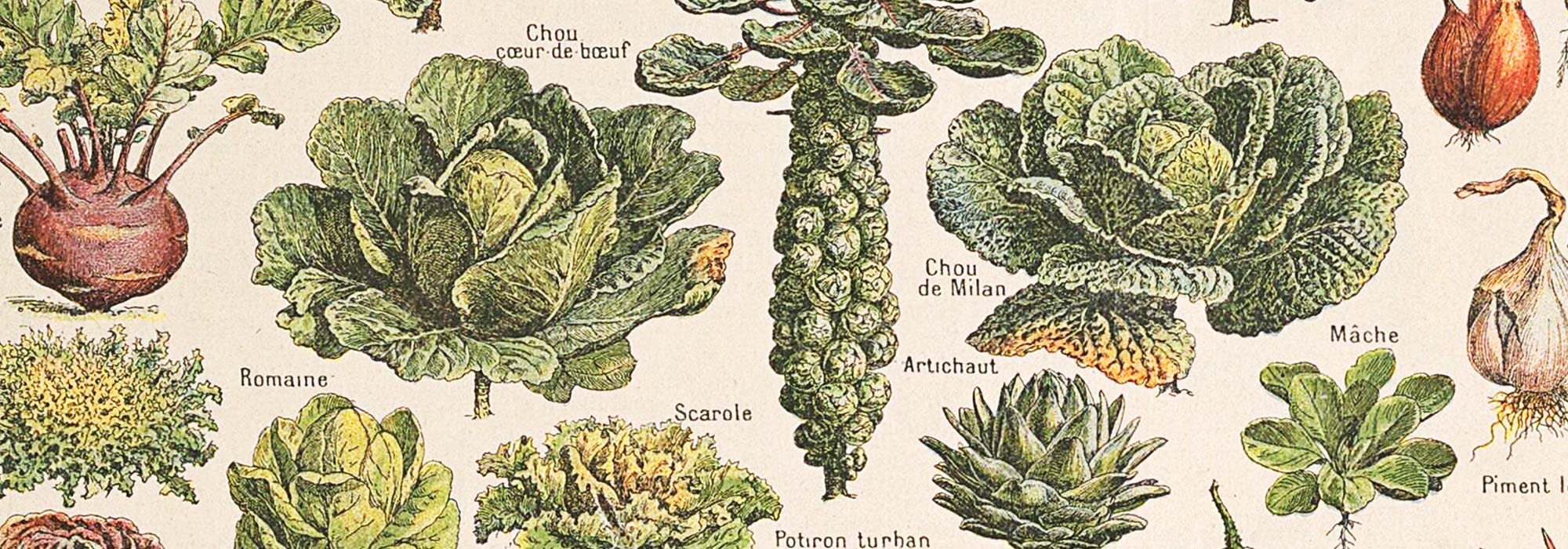
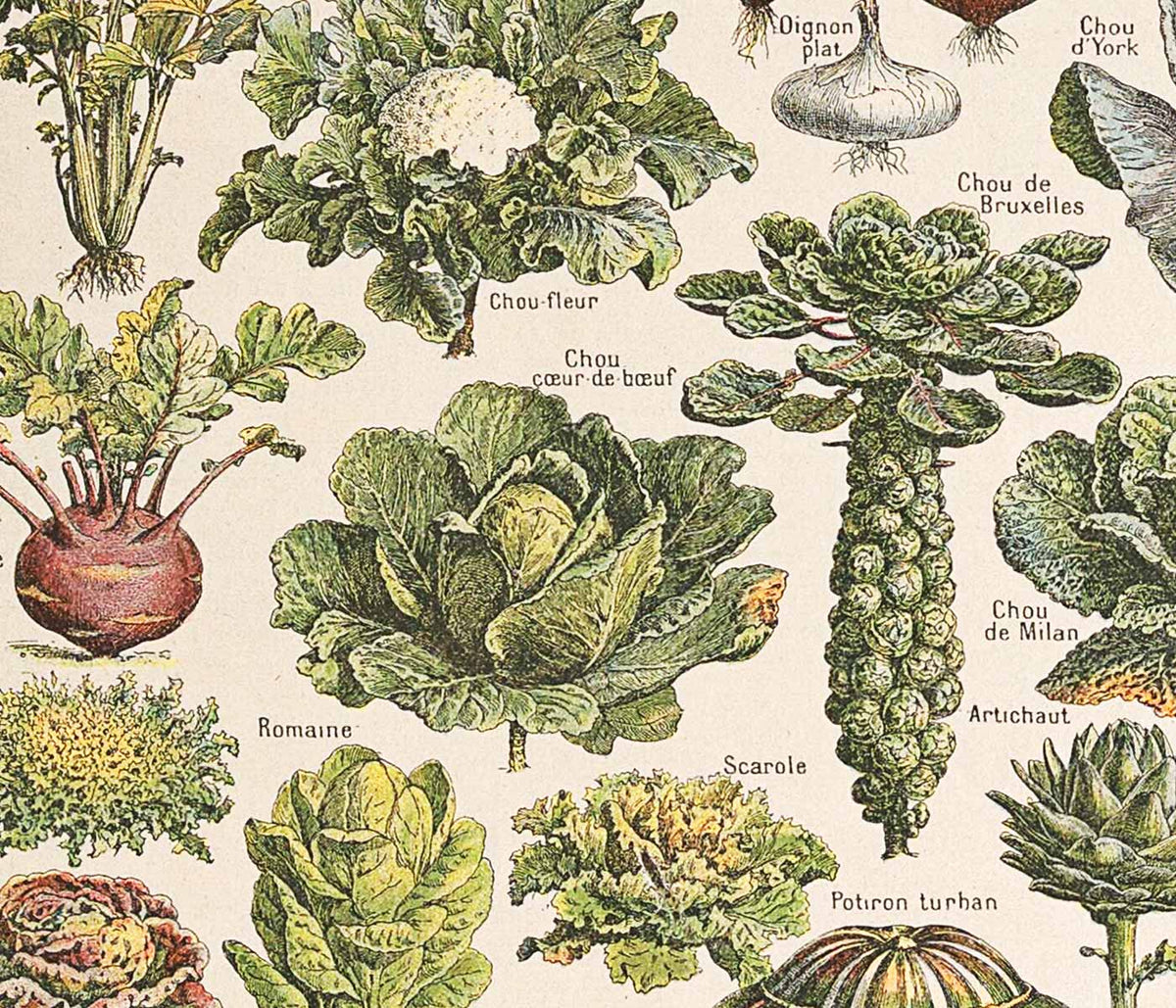
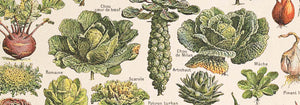
- Plantes Potageres Poster
- Flower Market - Seoul 2 Poster
- Red and green tomatoes Poster
- Tropical Flowers II Poster
- Persimmons Poster
- Flower Market New York Poster
- Flower Market - Dehli Poster
- Desmoncus Orthacanthos Poster
- Mexican Art & Life 1 Poster
- Walnuts Poster
- Four fruits pattern Poster
From herbarium pages to decorative gardens
This Botanical collection gathers vintage poster and art print imagery where plants are observed, classified, and then celebrated as decoration. It moves from nineteenth-century florilegia to enlarged stems, pods, and leaves rendered with a near-architectural calm. Botanical wall art often sits between science and pleasure: a lemon branch can read as specimen, still life, and color note at once. On the wall, these prints suggest an indoor greenhouse, giving home decor a quieter tempo and adding a tactile counterpoint to harder materials.
Patterns, pigments, and early photography
Ornamental design appears in Strawberry Thief (1883) by William Morris, where interlaced leaves and small birds translate garden life into repeat, suitable for rooms that already carry pattern through rugs or tiles. At the other extreme, Fern (1850) by Anna Atkins uses cyanotype to fix a plant silhouette in Prussian blue, a landmark in early photographic process as much as botanical record. Between these poles, botanical illustration refined watercolor techniques for sheen, ripeness, and petal translucence; later, close observation in plant photography pushed forms toward modernism. If you like that analytical edge, the adjacent mood of Science offers another route into image-making driven by study.
Where botanical prints live best
Botanical posters work best where everyday rituals already involve texture and scent: kitchens, dining nooks, and entryways with wood, linen, or rattan. A small run of fruit plates can echo ceramics and cookbook spines; for that domestic still-life feeling, pair with Kitchen. Cooler blue cyanotypes sit cleanly against white tile or pale stone, while leaf greens feel grounded beside oak and walnut. For narrower corridors, choose vertical fronds that elongate the wall; for a low sideboard, a single branch hung slightly off-center can mirror the asymmetry of a bowl or lamp.
Curating a gallery wall with contrast
When mixing botanical prints, aim for dialogue rather than matching. A Japanese kachō-ga image like Peonies and canary (1834) by Katsushika Hokusai brings disciplined line and open breathing space, and it naturally connects to Oriental. To sharpen the composition, add one geometric companion from Abstract, letting circles and grids answer the curl of petals. If you want the arrangement to stay crisp, thread in a quieter tonal piece from Black & White. Keep one frame finish across the wall for continuity, using Frames as the unifying material note.
The pleasure of looking closely
Familiar flowers look different when an artist slows down enough to treat them as structure and weather. In Irises (1890) by Vincent van Gogh, paint becomes energy, turning petals into flickers of violet and sulfur yellow rather than tidy botany. That range, from taxonomy to brushwork, from pattern to photograph, keeps vintage botanical wall art from feeling purely decorative. Seen together, the posters become a small practice in attention: how line describes growth, how color suggests season, and how a room can hold nature without imitating it.