


You may also like
-
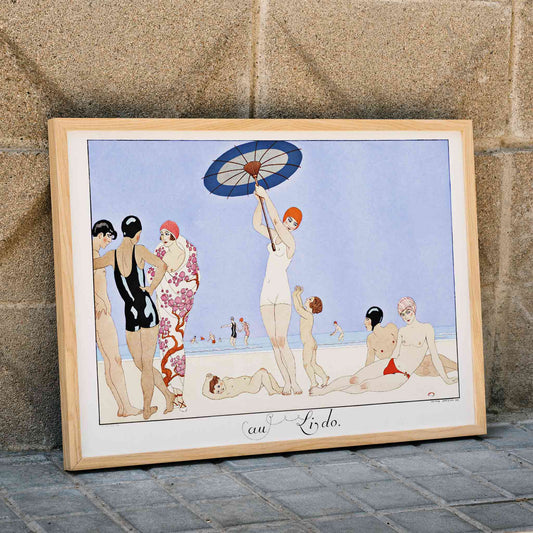
Au Lido Poster
George Barbier · 1920 · Elegant Art Deco poster with elongated figures, parasols, and tranquil blue seaside
Poster from €9 · Framed from €16
-
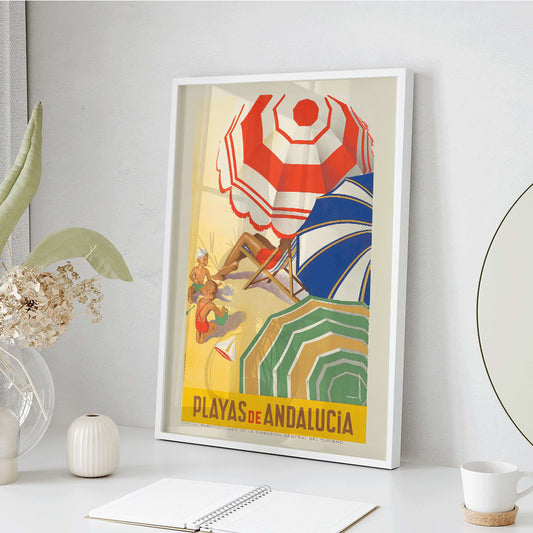
Playas de Andalucia Poster
José Morell · 1939 · Vibrant Andalusian beach poster featuring sunbathers, blue sea, boats, and bold lettering
Poster from €9 · Framed from €16
-

La passagère du 54 Poster
Henri de Toulouse-Lautrec · 1895 · Vintage poster showing a passenger in a yellow deck chair above blue water
Poster from €9 · Framed from €16
-

La plage de Deauville Poster
Henri Lebasque · 1928 · Breezy Deauville beach poster capturing summer crowds, parasols, and a bright shoreline
Poster from €9 · Framed from €16


-

"Very nice Posters. The quality is amazing and we received it very quickly !"
-

"A shop to visit absolutely. Huge selection of posters. We spent more than an hour there !"
-

"Perfect to find gift. Price are very good. An they can frame and pack it on site"
About the Artist
Eduard Otto Braunthal was an early 20th-century European artist known for his engaging illustrations and poster designs. He worked during a period when travel and leisure were transforming daily life, and his art often captured the spirit of modernity and social change. Braunthal's work reflects the optimism and accessibility of the era, using clear forms and inviting scenes to draw viewers into contemporary experiences.
His approach aligns On the beach at Grado with other classic art wall art, celebrating ordinary moments that evoke a sense of place and time.
The Artwork
On the beach at Grado was created during a time when Adriatic seaside resorts were becoming popular destinations for relaxation and health. Around 1910, the Italian town of Grado emerged as a fashionable spot for city dwellers seeking the restorative benefits of sea air and sun. This artwork captures the cultural shift toward seaside holidays, portraying the beach as both a social gathering place and a symbol of newfound leisure.
The print serves as a visual record of early 20th-century travel culture, reflecting how coastal escapes became woven into the rhythms of modern life. It invites viewers to imagine the atmosphere of a sunlit day by the Adriatic, where the shoreline offered both recreation and respite.
Style & Characteristics
The composition features relaxed bathers and beachgoers arranged in broad, simplified shapes, set against a luminous expanse of sea and sky. Dominant blues and whites evoke the clarity of a bright summer day, while accents of warm red and yellow add vibrancy and movement to the scene.
Braunthal employs a graphic style with crisp outlines and minimal detail, giving the poster a bold, readable quality that stands out from a distance. The mood is cheerful and leisurely, making it a fitting choice for sea and ocean wall art that brings a sense of openness and light to any space.
In Interior Design
This vintage beach poster is well-suited for living rooms, bedrooms, hallways, or bathrooms, where it can serve as a visual escape to the coast. It complements white walls, pale woods, and natural textures like rattan and linen, enhancing a relaxed Mediterranean atmosphere.
To echo the artwork's palette, consider blue ceramics or cushions and subtle red accents. For a harmonious gallery wall, pair it with other blue-toned prints that maintain a tranquil yet lively ambiance.